

If you are planning to build or improve a website, you have likely come across the terms website design and website development. Many people use these terms interchangeably, but in reality, they represent two very different parts of the website creation process. Understanding the difference between website design vs website development can help you make better decisions, avoid costly mistakes, and choose the right professionals for your project.
From visual layout and user experience to coding, performance, and functionality, both areas play a critical role. Businesses often struggle to decide whether they need web design services, web development services, or a full service web design and development partner. This guide breaks down the key difference between website design and development, helping you understand what each role involves and how they work together to create successful websites.
What is Website Design?
Website design focuses on how a website looks and feels to users. It is concerned with visual presentation, layout, and user experience rather than technical functionality.
A website designer is responsible for creating the visual structure of a website. This includes selecting colors, fonts, spacing, imagery, and layout to ensure the site reflects the brand and feels intuitive to users. Website designers think from the user’s perspective and aim to make interactions smooth, engaging, and easy to understand.
Key responsibilities of website design include:
- Page layout and visual hierarchy
- Color schemes and typography
- Branding and visual consistency
- Navigation structure and usability
- UI and UX design decisions
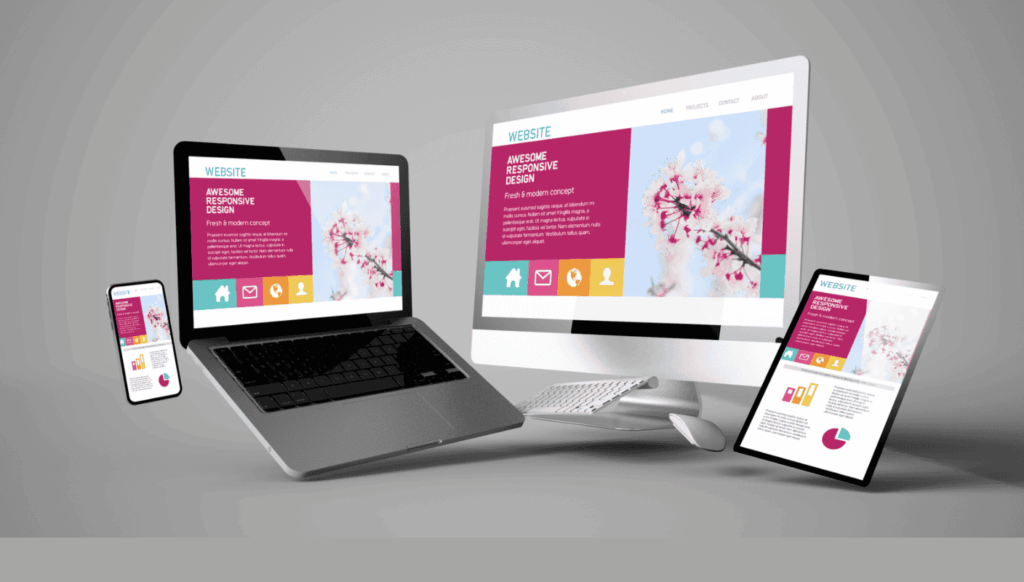
Modern website design also plays a role in performance and accessibility. Responsive website design ensures that layouts adapt smoothly across mobile devices, tablets, and desktops. Good design improves website usability, builds trust, and encourages visitors to take action.
In simple terms, website design answers the question: How should this website look and feel to users?
What is Website Development?

Website development focuses on how a website works behind the scenes. It turns designs into a functional, interactive, and secure website using code and technology.
A website developer is responsible for building the structure, functionality, and performance of a website. Developers write code that controls how pages load, how data is processed, and how users interact with features such as forms, logins, or ecommerce systems.
Website development generally includes:
- Front end development for visible website elements
- Back end development for servers, databases, and logic
- Full stack web development that combines both
- Performance optimization and speed improvements
- Security and scalability planning
While website designers focus on appearance, website developers focus on structure and functionality. Developers ensure that the website is fast, stable, and capable of handling traffic and future growth.
In short, website development answers the question: How does this website function and operate?
Difference Between Website Design and Development
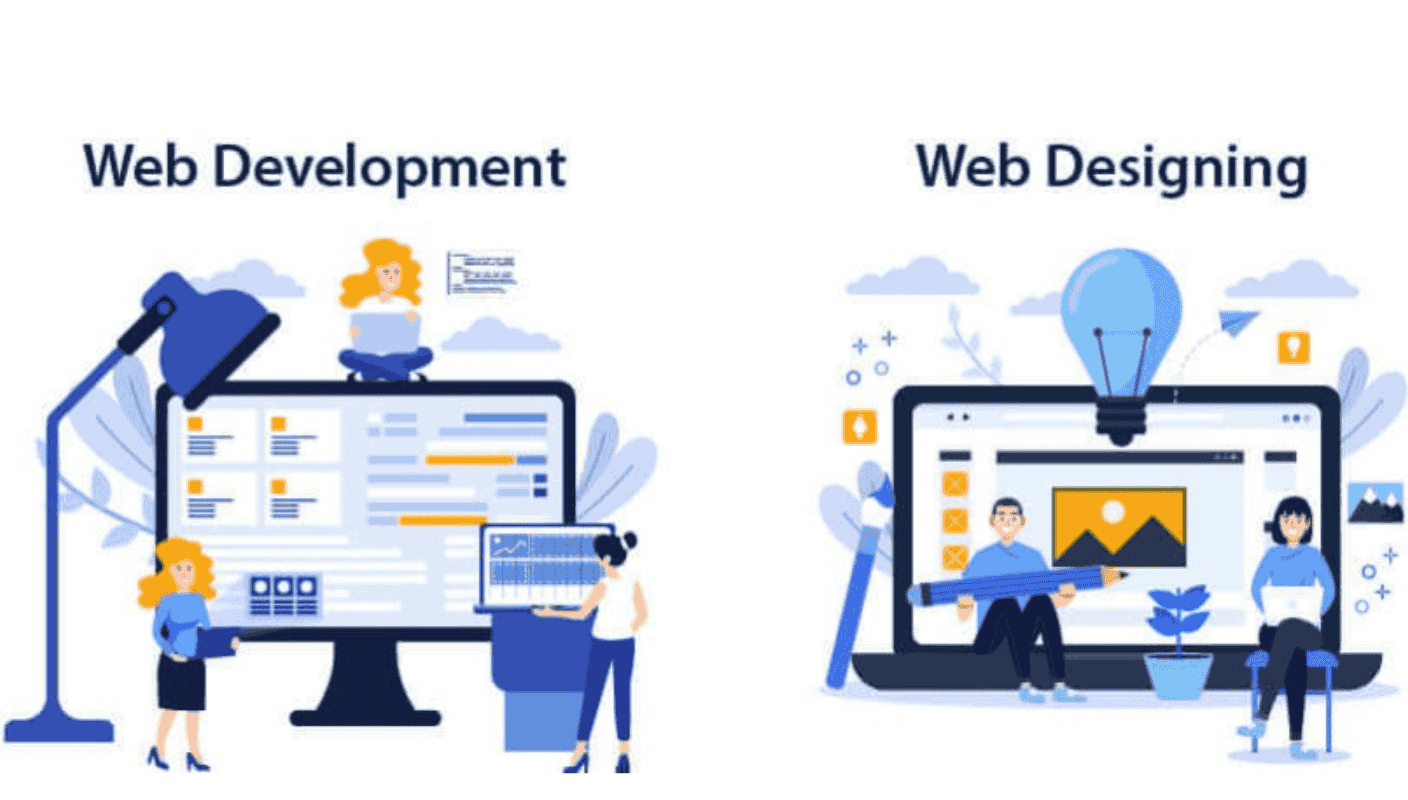
Although website design and website development work closely together, their responsibilities are distinct.
Here is a clear comparison to understand the difference between web design and web development:
| Aspect | Website Design | Website Development |
| Primary Focus | Visual appearance and overall user experience | Website functionality and technical structure |
| Main Goal | Make the website attractive, intuitive, and easy to use | Make the website work smoothly, securely, and efficiently |
| Role Responsible | Website designer | Website developer |
| Key Responsibilities | Layout creation, color selection, typography, branding, and navigation flow | Coding, database integration, server logic, and feature implementation |
| User Interaction | Focuses on how users see and interact with the website | Focuses on how the website responds to user actions |
| Creative vs Technical | Primarily creative and user-focused | Primarily technical and logic-driven |
| Tools Used | Design software, wireframes, mockups, and prototypes | Programming languages, frameworks, and development tools |
| Impact on Branding | Shapes brand identity and visual consistency | Ensures brand features function reliably across the website |
| Performance Role | Improves usability and visual clarity | Optimizes speed, stability, and scalability |
| SEO Contribution | Enhances readability, navigation, and user engagement | Improves site structure, load speed, and technical SEO |
| Device Compatibility | Ensures responsive layouts across devices | Ensures functionality works across browsers and devices |
| Security Involvement | Minimal involvement in security implementation | Responsible for security, data protection, and system integrity |
| Maintenance Role | Updates visuals and improves usability | Handles updates, bug fixes, and system improvements |
| Outcome Without the Other | Looks appealing but may not function properly | Works technically but may fail to engage users |
Website design acts as the blueprint, defining how the website should look and feel. Website development brings that blueprint to life by building the structure, functionality, and technical foundation.
A visually strong website without proper development may appear attractive but struggle with performance or usability. On the other hand, a technically sound website without thoughtful design may function correctly but fail to connect with users.
The most successful websites are created when website designers and website developers collaborate closely, ensuring both form and function work together to deliver a seamless user experience.
Which is Better: Website Design or Website Development?
This is one of the most common questions businesses ask, and the answer depends on your goals.
If your website looks outdated, confusing, or difficult to navigate, you may need professional website design. If your website is slow, broken, or lacks features, you likely need website development support.
In most cases, businesses benefit from website design and development services together, especially when building a new site. A full service web design and development approach ensures that design and functionality are aligned from the start.
You may need:
- Website design services if you want better visuals and user experience
- Web development services if you need new features or performance improvements
- Full service web design and development if you want a complete solution
Rather than choosing one over the other, the goal should be balance.
How to Choose the Right Web Design and Development Partner?
Choosing the right partner is just as important as understanding the difference between website design vs website development. The right team helps translate business goals into a reliable digital product.
When evaluating a web design and development service provider, look for the following:
- Proven experience with real projects
- Clear understanding of both design and development
- Ability to explain processes in simple terms
- Focus on scalability, performance, and usability
- Strong communication and post-launch support
A professional website design and development company will guide you through decisions instead of pushing unnecessary features. They should help you understand whether you need a website designer, a website developer, or a combined team. Asking the right questions early can save time, budget, and frustration later.
Final Thoughts
Understanding the difference between website design vs website development gives you clarity and confidence when planning a website project. Website design focuses on user experience and visual presentation, while website development ensures functionality, performance, and long-term reliability.
The most effective websites are built when designers and developers collaborate closely. Whether you need web design services, web development services, or a full service web design and development solution, the key is choosing the right expertise for your goals.
By making informed decisions, you set the foundation for a website that not only looks great but also works seamlessly and supports business growth.
FAQs
What is the difference between a website designer and a website developer?
A website designer is responsible for how a website looks and feels, including layout, branding, and user experience. A website developer focuses on how the website works by building functionality, performance, and technical structure through code. Both roles are essential and serve different purposes in creating a successful website.
Do I need website design or website development first?
For a new website, design and development usually begin together because visuals and functionality must align from the start. For an existing website, the priority depends on the problem. Visual and usability issues require design expertise, while speed, errors, or feature limitations require development support.
Can one professional handle both website design and website development?
Some professionals can manage both roles and are often referred to as full stack developers or designer developers. However, for business websites with complex requirements, dedicated website designers and website developers typically deliver better results due to their specialized skills and experience.
How do website design and website development affect SEO?
Website design improves SEO by enhancing usability, navigation, and user engagement, which influence how visitors interact with a site. Website development supports SEO through clean site structure, fast loading speed, mobile optimization, and technical performance. Strong SEO results require both working together.
When should I hire professional website design and development services?
You should hire professional website design and development services when launching a new website, redesigning an outdated platform, or improving performance, scalability, and user experience. Professional services ensure your website meets modern standards, supports business growth, and remains reliable long term.