


In today’s digital world, a website has become an essential part of any business. It is often the first place people go to learn about a brand, explore its services, or decide whether they can trust it. No matter the size of the business, from a small local shop to a growing startup or a global company, a well built website helps create a strong and reliable online presence.
Still, many people are unsure about what website development really is and how it works behind the scenes. This guide explains website development in a clear and simple way. You will understand what it means, discover the different types of website development, learn how the process works step by step, and see real world examples that bring everything together.
What is Website Development?
Website development refers to the process of building and maintaining websites. It includes everything from creating simple static pages to complex web applications, ecommerce platforms, and content management systems. Website development focuses on how a website functions, how users interact with it, and how data is processed behind the scenes.
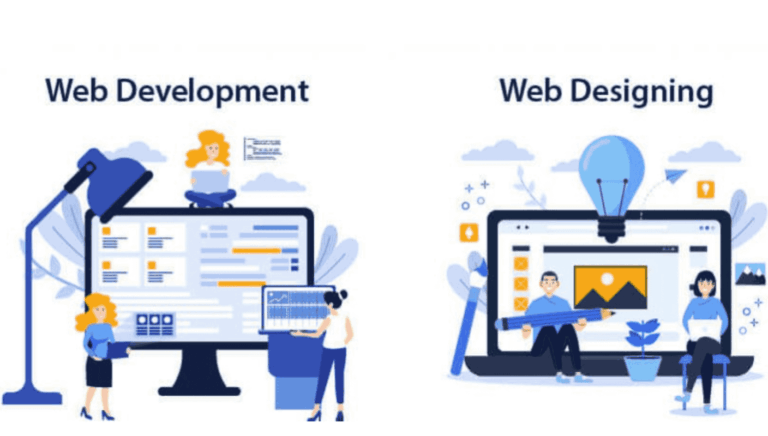
Unlike web design which focuses mainly on visual appearance, website development focuses on structure, logic, performance, and functionality. A website developer uses programming languages, frameworks, and tools to make sure a website loads properly, responds correctly to user actions, and works smoothly across different devices and browsers.
Website development can involve front end development, back end development, or both, depending on the project requirements.
Why Website Development is Important?
Website development plays a key role in shaping how people see and interact with a business online. For many users, a website is the first point of contact with a brand. If the site loads slowly, feels confusing, or does not work properly, visitors are likely to leave quickly. Strong website development helps ensure that a website is smooth, secure, fast, and easy for users to navigate, creating a positive first impression.
Beyond appearance and usability, website development directly supports business growth and long term success. A well developed website works as a powerful digital tool that helps businesses connect with their audience, reach new customers, and achieve meaningful goals.
Some key reasons why website development is important include:
- It creates a strong and professional first impression
- It improves user experience by making the site fast and easy to use
- It helps generate leads and convert visitors into customers
- It supports online sales and service bookings
- It allows businesses to collect useful data and insights
- It builds trust and credibility with users
- It improves visibility on search engines through better performance and mobile friendliness
In simple terms, website development is not just about designing web pages. It is about building a reliable online platform that supports real business objectives and helps a brand grow in the digital space.
Types of Website Development
Website development can be categorized into several types depending on the structure, purpose, and technology used. Understanding these types helps businesses choose the right approach for their needs.
Front End Website Development
Front end website development focuses on the part of the website that users see and interact with directly. This includes layouts, buttons, menus, forms, images, and text. Front end developers ensure that the website looks good and functions smoothly on different screen sizes and devices.
Common technologies used in front end development include HTML, CSS, and JavaScript. Modern front end development also uses frameworks and libraries to improve performance and user experience.
Front end development plays a major role in usability, accessibility, and user engagement.
Back End Website Development
Back end website development focuses on the server side of a website. This is where data is stored, processed, and managed. Back end developers work with databases, servers, and application logic to make sure everything works correctly behind the scenes.
When a user submits a form, logs in, or makes a purchase, the back end handles these actions. It ensures data security, performance, and proper communication between the server and the front end.
Back end development often uses programming languages such as PHP, JavaScript, Python, or others depending on the system.
Full Stack Website Development
Full stack website development includes both front end and back end development. A full stack developer works on the entire website, from the user interface to the database and server logic.
This type of development is common in startups and small teams because it allows faster development and better coordination. Full stack website development is ideal for businesses that need complete control over their web applications.
Static Website Development
Static website development involves creating simple websites where content does not change frequently. These websites usually consist of fixed pages written in HTML and styled with CSS.
Static websites load very fast and are easy to host, but they are limited in functionality. They are commonly used for portfolios, personal websites, and small informational sites.
Dynamic Website Development
Dynamic website development allows content to change based on user interactions or data stored in a database. These websites are more flexible and powerful than static websites.
Examples include blogs, business websites with dashboards, and ecommerce platforms. Dynamic websites require back end development and database management.
Ecommerce Website Development
Ecommerce website development focuses on building online stores that allow users to browse products, add items to a cart, and complete purchases securely. This type of website development includes payment integration, inventory management, user accounts, and order tracking.
Ecommerce development is widely used by retail businesses and requires careful planning for performance and security.
Website Development Process Step by Step
Website development follows a clear and organized process to make sure the final website is functional, user friendly, and aligned with business goals. While every project is different, most websites are built using a few common steps.
Planning and Requirement Analysis: This step focuses on understanding the purpose of the website, the target audience, and the features it needs. Proper planning helps avoid confusion later and sets a clear direction.
Design and Wireframing: Designers create layouts and wireframes to show how the website will look and function. This helps plan the user experience and overall structure before development begins.
Development and Coding: Developers turn the design into a working website by writing code and adding functionality. This includes building pages, connecting databases, and adding interactive elements.
Testing and Quality Assurance: The website is tested to make sure it works properly on different devices and browsers. Any errors or issues are fixed to ensure a smooth experience.
Launch and Maintenance: Once everything is ready, the website is launched and made live. Ongoing updates and maintenance help keep the website secure, fast, and up to date.
Examples of Website Development
Website development can take many forms, depending on the purpose of the website. Here are a few common and easy to understand examples.
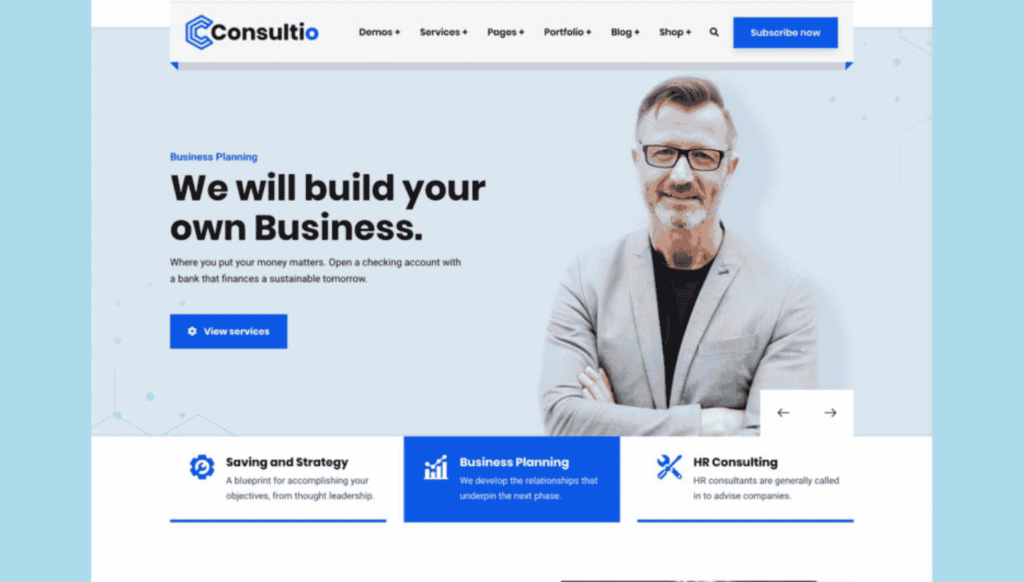
A business website is one of the most common examples of website development. It is built to showcase services, share company information, collect leads, and build trust with visitors. These websites usually include service pages, contact forms, about sections, and blogs.
An ecommerce website is another clear example. These websites allow users to browse products, create accounts, add items to a cart, and make online payments. Developing an ecommerce site requires more advanced features such as product management, payment gateways, and security integration.

A blogging website is also a popular example of website development. For instance, a WordPress blog focused on laptops can be developed to share reviews, buying guides, comparisons, and latest tech updates.
Final Thoughts
Website development is the foundation of any successful online presence. It goes beyond design and focuses on functionality, performance, and user experience. Understanding what website development is, the types involved, and how the process works helps businesses make informed decisions.
Whether you are planning a simple website or a complex platform, good website development ensures your online presence is reliable, scalable, and ready for future growth.
A well developed website is not just a digital asset. It is a powerful tool that supports your goals and connects you with your audience in meaningful ways.
FAQs
What is website development in simple terms?
Website development is the process of creating and maintaining a website so it works properly on the internet. It involves building the structure of the site, adding functionality, and making sure users can interact with it easily on different devices.
What are the main types of website development?
The main types of website development include front end development, back end development, full stack development, static websites, dynamic websites, and ecommerce website development. Each type serves a different purpose depending on the website’s goals.
How long does website development usually take?
The time required for website development depends on the size and complexity of the project. A simple website may take a few weeks, while more complex websites such as ecommerce platforms or web applications can take several months.
What is the difference between web design and website development?
Web design focuses on how a website looks and feels, including layout and visual elements. Website development focuses on how the website works, including functionality, performance, and data handling.
Is website development important for small businesses?
Yes, website development is very important for small businesses because it helps them build credibility, reach new customers, and compete online. A well developed website can support marketing, sales, and customer communication.